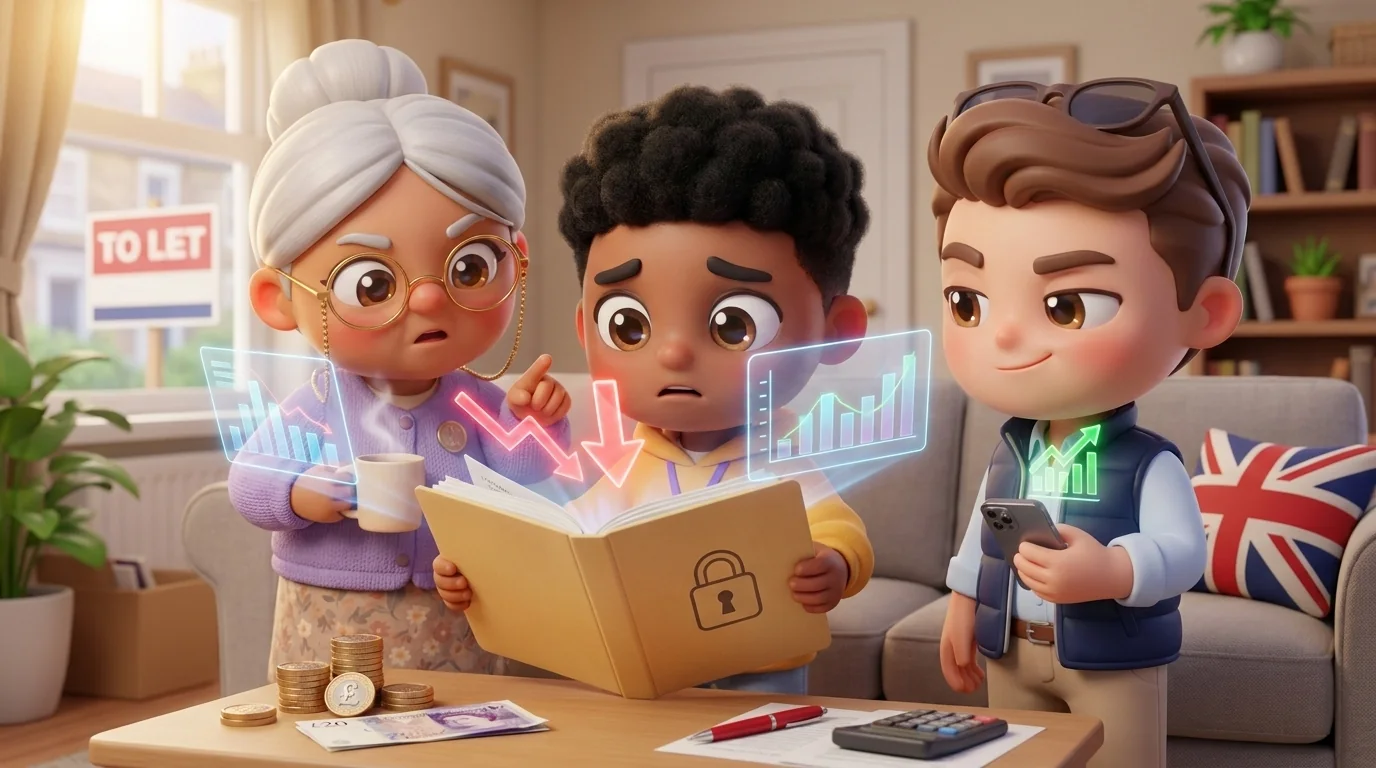
Credit Cards: Tool, Not Trap
Make a card pay you: protection, interest-free days, rewards. Only if you pay in full.
Play lesson 1 freeHow to use a credit card safely: Section 75 protection, interest-free days and rewards, and why it only works if you pay the balance in full every month.
There's no single credit score: lenders read your credit file and use their own rules. Your one action: check your credit file for free with at least one agency and look for anything that's wrong.
Build credit with boring habits: electoral roll, a small limit used lightly, paid in full by direct debit, few applications. Your one action: check you're on the electoral roll at your current address.
Utilisation is the share of your limit you use; lower generally looks better, and a common rule of thumb is to stay well under about 30%. Your one action: work out your utilisation from your last statement (balance ÷ limit).
Clear the full statement balance by the due date and purchases cost no interest, for up to about 56 days. Cash withdrawals cost from day one. Your one action: find your card's statement date and due date and write them down.
Set the card's direct debit to the full statement balance and purchases never cost interest. Minimum-only can take decades. Your one action: check what your card's direct debit is set to, and change it to full balance if you can afford to.
Section 75 makes your credit card provider jointly liable for single items over £100 and up to £30,000; debit cards have chargeback. Your one action: before your next planned big purchase, note which card you'd use and what protection it gives.
Rewards and cashback only pay you when it's spending you'd do anyway and the balance is cleared in full. Your one action: add up last month's card interest and fees and compare them with the rewards you earned.
A 0% purchase deal is a countdown: pay at least the minimum, and divide the balance by the months left to be clear before it ends. Your one action: if you have a 0% deal, put the end date in your calendar with the monthly amount needed.
A balance transfer moves debt to a cheaper deal for a while, for a fee; it only helps if you stop adding debt and clear it before the 0% ends. Your one action: if you carry a balance, write down its APR, the amount and your monthly payment, the starting point for any plan.
A card pays you only when the balance is cleared in full and you use its features; carry a balance and it costs you. Your one action: write your card a one-line job description, like 'bills only, cleared in full by direct debit'.
Persistent debt is common and fixable: providers must step in after 18 months, and free help exists. Your one action: if your balance barely moves, contact your card provider or a free debt charity this week.
A credit card is a tool when you use its features and clear it in full; it's a trap when the balance carries over. Your one action: check every card you have is on a full-balance direct debit, or has a written payoff plan.
 Free with a code
Credit Cards: Tool, Not Trap: quick answers
Mo's app score dropped 20 points this month. What does that actually tell him?
Something changed on his file, so read the file itself. Right. Maybe a higher balance, a new search or a missed payment. The file shows which, and if it's wrong he can ask for a fix.
Related topics
- Credit Scores & FilesThe invisible report card banks read.
- BorrowingOverdrafts, BNPL, cards and loans: the real cost.
- Consumer RightsRefunds, complaints and getting your money back.
Browse the whole money library or play the free money games.