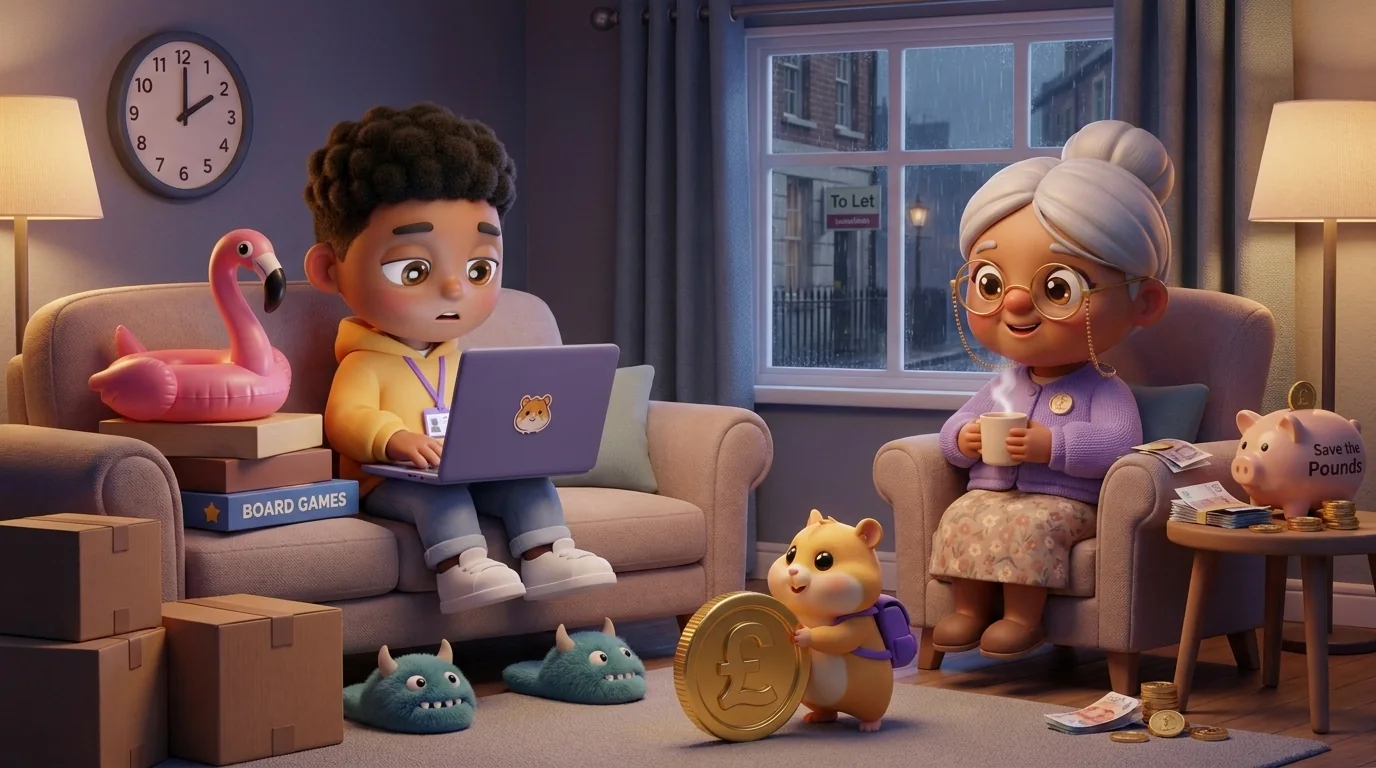
Why your brain buys the thing at 2am, and how to outsmart it. Short games on impulse spending, money habits, social pressure and setting goals that stick.
Your feelings about money come from somewhere. Spotting them is step one to steering them.
Needs first, wants second. Wants are allowed — they just don't jump the queue.
Treat yourself — on purpose. When treats are daily and automatic, they're a habit, not a treat.
Present bias = overvaluing now vs later. Beat it by making the future choice automatic.
Biases aren't flaws — they're shortcuts. Name them and they lose their grip.
FOMO spends money you don't have. Loud budgeting — saying your limit — is a power move, not an embarrassment.
Ignore the 'was' price. Ask: would I pay THIS price if I'd never seen the other one?
Money already spent can't be un-spent. Decide based on what happens next, not what happened before.
Pots and labels are useful tools. Just remember: 'free money' doesn't exist once it's in your account.
Emotions drive lots of spending. Notice the trigger, add a pause, and reach out if it feels heavy.
Talk about money honestly, and write a few personal rules you can lean on when temptation hits.
Feeds are designed around your biases. Your defence: name the trick, pause, and check your Money Rules.
 Free with a code
 Game
GameMoney Mindset: quick answers
Mo says, "I'm just not a money person." What's the most useful reply?
"Nobody's born a money person — pick one small habit and start there.". Yes. Confidence comes from doing small things, not waiting to feel ready.
Related topics
- BudgetingMake the money last longer than the month.
- Food & Everyday SpendingEat well on a meal-deal budget.
- Saving & Emergency FundsBuild a buffer so a broken laptop isn't a crisis.
Browse the whole money library or play the free money games.